Mostrando entradas con la etiqueta localization. Mostrar todas las entradas

jueves, 19 de octubre de 2023

LOS GALOS DE ASTÉRIX Y OBÉLIX EN SUECO

 ¡Cómo no olvidar a los cómics de galos y romanos de René Goscinny, protagonizados por los galos del norte del país Astérix y Obélix y su simpática mascota Idéafix! En todo el planeta, los nombres del pequeño rubio, del forzudo pelirrojo y del perrito blanco no cambian, puesto que están basados en dos signos de puntuación, el asterisco y el obelisco (* y †, respectivamente, ¡huelga ver la diferencia de tamaño!), y en el concepto de idea fija. Pero en cada país los nombres de los personajes secundarios, con excepción de los históricos (por ejemplo, Cleopatra o Cayo Julio César), se localizaron, no así en España y la Hispanidad, que los tomaron directamente del francés (oh là là!). Pero al veranear en Suecia y pedir cómics de galos en la biblioteca, me di cuenta de que en Suecia traducen los nombres de los demás habitantes del poblado, con resultados muy divertidos:

El druida Panorámix (a la vez narco y cura, como decía Thérèse, mi profe de francés, que viene de Burdeos) se convierte en Miraculix, Milagrósix. Sus pociones hacen milagros de verdad.

El gran jefe Abraracúrcix (siempre llevado por sus guardias en su escudo) se vuelve Majestix, Majestuósix. Un nombre que hace justicia a un porte tan imponente.

El bardo (que desafina y siempre termina atado a un árbol y amordazado) Asegurancetúrix es rebautizado como Trubadix, Trovadórix. Un nombre mucho más lírico y más breve que Seguroatodorriésguix.

El pescadero y marisquero (cuyos productos nunca están frescos), de cuyo nombre no me acuerdo, se llama en sueco Krabbofix, Cangrejipescádix, de “krabba och fisk”, cangrejo y pescado, su mercancía.

El herrero, rubio y muy musculoso (suele ser el que peor se toma las canciones del bardo y el que le ata al árbol y le amordaza), Esautomátix o Cetautomátix en francés, se llama Smidefix, Forjarréglix, de “herrero que arregla cosas”, en sueco. Como tantas cosas en un poblado galo son de metal y pueden oxidarse o romperse, el herrero está allí para repararlas.

El habitante más anciano y más cascarrabias de la aldea, Edadepiédrix o Âgecanonix en francés (“l’âge canonique” parece ser un sinónimo de “el año de la polca” o “los tiempos de Maricastaña”) en sueco fue bautizado como Senilix. No hace falta saber sueco para entender ese nombre, que viene de “senex” y de “senectud”.
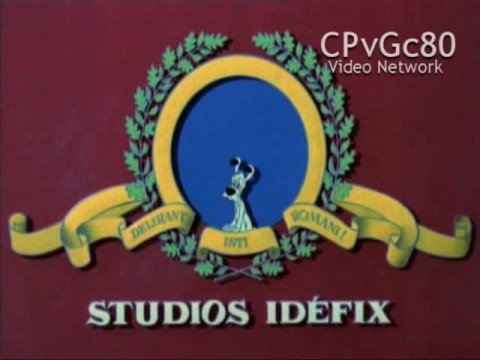
Por cierto, un estudio fundado por René Goscinny hace las películas animadas de Astérix y Obélix. Su logotipo de inicio parodia el famoso león de la Metro-Goldwyn-Mayer, pero con Idéafix ladrando y, en vez de ARS GRATIA ARTIS, en las cintas de película se puede leer DELIRANT ISTI ROMANI, o “están locos estos romanos”. En italiano, las iniciales de esta frase, Sono Pazzi Questi Romani, son casualmente las mismas que el lema del imperio: Senatus Populus Que Romanus, SPQR.

domingo, 15 de octubre de 2023

NOMBRES A UNO Y OTRO LADO DEL CHARCO

 Enrique y Beto

🍊🍋
La Rana René 🐸
Gatubela 🐈‍⬛
El Guasón 💚💜
Guepardo 🐺
Merlina Addams 🤵🏻‍♀️
El jefe Gorgory 👮 y su hijo Rafa Gorgory 🍩
Bob el Patiño 🌴
Nunca me acostumbraré a estos nombres del otro lado del charco...
Por si no los sabes, aquí están en castellano y en inglés:
Epi y Blas (Ernie and Bert) 🍊🍋
La Rana Gustavo (Kermit) 🐸
Catwoman 🐈‍⬛
Joker 💚💜
Lobezno (Wolverine) 🐺
Miércoles (Wednesday) Addams 🤵🏻‍♀️
El jefe Wiggum👮 y su hijo Ralph Wiggum 🍩
El Actor Secundario (Sideshow) Bob🌴

jueves, 10 de agosto de 2023

DIGAS LO QUE DIGAS, NO DIGAS NADA

 DIGAS LO QUE DIGAS, NO DIGAS NADA

Seamus Heaney

Traducción / Adaptación de Sandra Dermark - 6 de febrero, MMXVIII


I.

Escribo esto tras una charla con un bloguero

sueco interesado en la cuestión catalana.

De nuevo en Gotemburgo veraneo,

donde no hay nuevas si hay noticias malas.

Donde un Argo Panoptes conectado

señala y graba y cuelga en Internet

si ve famosos. Lujado anda el mando,

mas yo me inclino más, por esta vez,

hacia los informes y análisis

de los medios de masa y gobernantes

que dan crónica, sin parálisis,

de larga campaña tan alarmante,

que comprueban, al pulso, “Puigdemont”,

llengua pròpia”, “derecho a decidir”,

“encaje en España”, “desconexión”...

Pero yo canto, ya que vivo aquí,

experta en cortesía, como los míos,

con ellos, sobre los primeros “tuits”,

chupando aquel falso regusto insípido

de viejas respuestas de “llepafils”.

“Estoy de acuerdo: seguro, habrá guerra”.

“¿Cuándo acabará? Se pone peor”.

“Se han pasado de rosca los de Esquerra”.

Afónica está la “voz de la razón”.

........................

II.

Lo que oyes por la calle no son tunos.

De los balcones cuelga “l’estelada”.

“Puigdemont es feliz”, dijeron unos

tras ese Clásico que ganó el Barça.

Ven una estampa como el Tres de Mayo:

al paredón, carlista y botifler.

Temblamos ante fusiles cargados,

no queremos tener nada que ver.

Tanto mamar el cóctel Molotov

de tetas de cadáver de novicia,

tanto tragar ese amargo licor,

nos deja a todos con la lengua bífida.

La nota liberal ya suena hueca

con este contrapunto, día y noche,

de golpes y gritos. ¿A que no tienta

diagnosticar que renace el reproche?

Mas otros síntomas no hay que ignorar.

Anoche, audible fue la “traquicardia”

de los fuegos de aquella mascletà,

intolerante a Podemos y a España.

El que això no acompleixca, que no es queixe”,

(frase de una canción de un tal Ovidio) ,

mientras sigo con esta sed ardiente

de palabras para anzuelo y cebo vivo

para pescar a las masas en paroxismo

y poner paz y orden. Cualquier sujeto

puede sortear la Escila del fanatismo

y el Caribdis del fraude: aere perennius.

.........................

III.

“¿De política? Nunca se habla aquí”.

“Sí, se les ve el plumero”, y cállate.

“Los unos son tan malos como los otros”.

A buen tiempo, no cuelgue del revés

más el retrato del primer Borbón,

sino los de Isabel y don Fernando.

Mas, con mi sedentaria profesión,

es imposible. A mí me monta tanto.

Parcos los catalanes: amordazan

tiempo y espacio. Canto a la Senyera

donde, digas lo que digas, no digas nada

ni des la cara. Sálvese quien pueda.

Las señales de humo serían gritos

comparadas con nuestras estrategias:

la enseñanza, electorales distritos…

discriminar sin excepción a la regla.

Amparo, Lledó y Montse, dels Països;

y española, fijo, Sandra (o Elena).

¡Tierra de santo y seña, sutil guiño,

mentes abiertas cual trampas abiertas!

Lenguas torcidas cual mechas ardientes,

donde, ocultos en caballo de Troya,

la mitad de nosotros, impotentes,

cercados en el cerco, tejemos la tramoya.

............................

IV.

Anoche, envuelta en sudor frío, soñé

con las dunas del Grao sin Planetario.

Torres de vigilancia, cráteres,

y, en el Pinar, los pinos astillados.

Empalizadas, guardias por doquier,

y esa neblina blanca en tierras bajas…

Me asaltó un déjà-vu, pues recordé

escenas mudas de Auschwitz o de Stalag...

¿Hay acaso vida antes de morir?

Aquel Pinar, sin palabras, lo muestra.

Abrazamos nuestro destino, al fin,

con un sorbo para ahogar nuestra pena.


miércoles, 21 de junio de 2023

EL TANGO DE LA MUERTE

This film El Tango de la Muerte, a whole-plot reference to Strictly Ballroom featured in the Simpsons episode "Last Tap Dance in Springfield", is produced and set in a non-existant and stereotypical "Spexigentina", ie the Hollywood view of fusing Spain, Mexico, and Argentina into a strange amalgam of their most general stereotypes; and therefore also the dialogue is peppered with gratuitous Spanish:

EL TANGO DE LA MUERTE

SCENE 1: THE DARK HORSE

(Eduardo, a dashing young tango dancer who looks like Levi Ackerman, and his older dance coach, at a soirée, before the great dance contest).

Eduardo: Now that my severed foot has been reattached... I must win back the coveted dance title- Loco Legs.

Coach: As your wise but alcoholic dance coach... I know that somewhere your father is looking down on you and smiling. (Beat.) Oh, there he is. (Eduardo's father waves from the balcony.)

Eduardo: And now, I must choose a beautiful partner for the big dance contest. (Eduardo passes review by the attractive female tango dancers, spurning each of them in turn.) Hmm. [ Grunts, thrusts his hips ] Hmm-hmm. [ Grunts, thrusts his hips ] No! [ Gasps, thrusts his hips ] Hmm. (Eduardo reaches Lisabella, a socially awkward, flat-chested girl with glasses and her hair in a bun, reading a book sitting in a chair).

Lisa Simpson (across the fourth wall): Oh, he'll never dance with her. She'll have to settle for some Mexican Milhouse. 

Eduardo: I demand to know your name. 

Lisabella: My name is... (Beat.) Lisabella. 

Lisa Simpson (across the fourth wall): [ Gasps ] That's my name with "bella" on the end of it. Ask her. Oh, God. Please ask her to dance. 

Eduardo: I shall dance... (Beat.) with her. 

Mexican Milhouse (to himself): Ooh! Qué malo. Once again, I must sugar my own churro. 

Lisabella: But I am just a simple librarian. I have only read about dancing in books. 

Eduardo: [ Chuckles ] I will show you something that is in no book. (He takes Lisabella by the hand and twirls her around; as she twirls, her bun comes undone, her spectacles drop off, her chest swells under her blouse to reveal far more bosom; a real "ugly duckling" transformation)

Crowd: [ Gasping ]

Lisabella: [ Gasps ] Ooh! Mmm. Ohh! Mmm. 

Lisa Simpson (across the fourth wall): She's not plain. She's beautiful!


SCENE 2: THE TANGO OF DEATH

(The ballroom where the great dance contest is held; a grand estate with spotlights in the gardens.)

[A sign outside says:

TONIGHT:

CONTESTO DE LA DANCE!

TOMORROW: REVOLUCION]

♪ [Tango Music] [Applause] (A couple of attractive tango dancers in green perform before Eduardo and Lisabella's turn; Eduardo wears a light brown jacket, a shirt that reveals the hair on his chest, and black trousers, while Lisabella wears a sexy red two-piece ensemble, a red flower in her hair, and her hair down).

Eduardo: There is just one dance that will beat them: the Tango de la Muerte. 

Lisabella: [ Gasps ] Only one man was crazy enough to dance that dance, and he is dead. 

Eduardo: My twin brother, Freduardo. But where he died, I shall live- in his apartment.

(Eduardo and Lisabella dance the Tango de la Muerte: they first dance, hand in hand, eight or nine tango steps forwards. Then they dance past one another four or five steps back and forth. Then Lisabella spreads her arms and Eduardo lifts her in the air and carries her back and forth. Finally, he loops her like an oversized donut around his shoulders, then he loops her on the ground, until he stops.)

Crowd: [ Gasping ]

Eduardo: You are now carrying my child. 

Lisabella: But how?

Eduardo: It is the mystery of the dance.


*********************************************************


The Castilian (European Spanish) dub of the episode is far better and did justice to the scene: in its version of El Tango de la Muerte, the setting (and film's country of production) was changed to real-life Argentina, and all the characters in the film (except Eduardo's dance coach) spoke in Rioplatense (Buenos Aires dialect). Es más porteño que el Papa:

EL TANGO DE LA MUERTE

ESCENA PRIMERA: LA PAREJA INESPERADA

(Eduardo, un joven y apuesto bailarín de tango que se parece a Levi Ackerman, y su entrenador personal, un señor mayor, en un sarao la víspera del gran concurso de baile).

Eduardo: Ahora que me han vuelto a plantar el pie, haré lo posible por recuperar mi ansiado título, "el Piernas Locas".

Entrenador: Como tu sabio pero alcohólico entrenador, sé que tu padre te estará mirando y sonriendo desde alguna parte... (Pausa.) (Con acento de España) ¡Allí está! (El padre de Eduardo les saluda desde el balcón.)

Eduardo: Ahora debo elegir una hermosa piba para el gran concurso de baile. (Pasando revista ante las atractivas bailarinas de tango, les da calabazas a cada una de ellas). Ejem... (contonea las caderas) Ejem... (contonea las caderas...) No. (Contonea las caderas). Ejem... (Eduardo llega a donde está Lisabella, una joven con aspecto de "empollona" con gafas, un moño y el pecho plano, sentada leyendo un libro).

Lisa Simpson (al otro lado de la cuarta pared): Oh, no, jamás bailará con ella. Tendrá que conformarse con algún Milhouse argentino.

Eduardo: ¿Che, cómo te "shamas?"

Lisabella: Me llamo... (Pausa.) Lisabella.

Lisa Simpson (al otro lado de la cuarta pared): ¡Oh! ¡Es mi nombre acabado en "bel-la"! ¡Por favor, sácala a bailar...!"

Eduardo: Bailaré... (Pausa.) con "esha."

Milhouse argentino (a sí mismo): ¡Qué rabia! ¡Otra vez más deberé "asucararme" "sho" solo el churro!

Lisabella: ¡Pero si soy una simple bibliotecaria! Sé de bailar lo poco que he leído en los libros...

Eduardo: (Risita.) "Sho" te enseñaré algo que no "aparese" en los libros... (Coge a Lisabella de la mano y le da un par de vueltas: mientras ella da vueltas, se le deshace el moño, se le caen las gafas y se le hinchan los senos bajo la blusa: toda una transformación de "patito feo".)

Multitud: Oooooh (Sorpresa)

Lisabella: Oooooh (Sorpresa)

Lisa Simpson (al otro lado de la cuarta pared): No está plana, ¡es guapísima!


ESCENA SEGUNDA: EL MISTERIO DEL TANGO

(El pabellón de baile donde se celebra el gran concurso de tango: una gran mansión con reflectores en el jardín.)

[El cartel de fuera dice:

TONIGHT:

CONTESTO DE LA DANCE!

TOMORROW: REVOLUCION (sic, sin acento)]

(Música de tango. Aplausos. Una pareja de bailarines de tango atractivos, vestidos de verde, preceden a Eduardo, con chaqueta marrón, una camisa que deja ver el pelo de su pecho y pantalones negros, y a su pareja Lisabella, con un traje rojo sexy de dos piezas y la cabellera suelta con una flor roja.)

Eduardo: Solamente con un baile se puede ganar: el Tango de la Muerte...

Lisabella: ¡No! Sólo hubo un hombre lo bastante loco que lo bailó, y está muerto.

Eduardo: Mi hermano gemelo, Freduardo. Y donde él murió viviré "sho": en su apartamento.

(Eduardo y Lisabella bailan el Tango de la Muerte: primero, bailan ocho o nueve pasos de tango cogidos de la mano; luego, bailan de lado hacia adelante y atrás/una y otra vez cinco o seis veces; seguido de esto, Lisabella pone los brazos en cruz, Eduardo la levanta por los aires y la lleva adelante y atrás; finalmente, él la pasa velozmente por encima de sus hombros, y luego la gira por el suelo, hasta que se detiene.)

Multitud: Oooooh (Sorpresa)

Eduardo: Ahora esperás un hijo mío.

Lisabella: Pero, ¿cómo?

Eduardo: Es el misterio del tango.


martes, 20 de junio de 2023

DRAGONS' DEN, LIONS' DEN, SHARK TANK

This was originally a Japanese reality show format. Entrepreneurs pitch their business ideas to a panel of venture capitalists in the hope of securing investment finance from them. These are the names by which the show is known in different countries, and the name of the show usually contains the sobriquet given to the venture capitalists, comparing them to fierce predators: "tigers" (tora 虎) in the original Japanese, "dragons" in the Commonwealth (excluding Australia) and Sweden, "lions" in most of Europe, "sharks" in Hungary, Portugal, the Ukraine, Australia and the United States. In some countries like Austria, France, Russia, or Trinidad and Tobago, the name of the show does not contain the sobriquet for the venture capitalists:

JP: Money no Tora マネーの虎 🐯

UK: Dragons' Den 🐲

IE: Dragons' Den 🐲

NZ: Dragons' Den 🐲

CAN (Anglophone): Dragons' Den 🐲

CAN (Québec): Dans l'Œil du Dragon 🐲

SE: Draknästet 🐲

DE: Die Höhle der Löwen 🦁

BE (Flanders): Leeuwenkuil 🦁

DK: Løvens Hule 🦁

FI: Leijonan Luola 🦁

RO: Arena Leilor 🦁 / Imperiul Leilor 🦁

HU: Cápák Között 🦈

PT: Shark Tank 🦈

US: Shark Tank 🦈

AUS: Shark Tank 🦈

UA: Акули бізнесу 🦈 (Акули: 🦈🦈🦈)

AT: 2 Minuten 2 Millionen

FR: Qui Veut Être mon Associé?

RU: Kапитал

Trinidad and Tobago: Planting Seeds

lunes, 19 de junio de 2023

CANCIÓN DEL MATE DE LECHE - Song of Milk Tea

 CANCIÓN DEL MATE DE LECHE


En el pozo del mate

llueve

y en la yerba

la leche

se pone bien verde.

Canta la pava en llamas

alborotada

saltan chisporroteos

en tu mirada.

En el pozo del mate

llueven tus chispas

y no puedo tomarlo

de pura risa.


Laura Devetach


SONG OF MILK TEA

(Translated by Sandra Dermark)

(Translation revised by Sandra Dermark on the 19th of June 2023)


On the well of the teacup

the rain

is preening,

and on the leaves

the milk

is quite well greening.

Ablaze and in a hurry,

the kettle cries;

sparks pop, crackle, and sizzle

within your eyes.

On the well of the teacup,

your sparks rain after,

and I can't even drink it

out of sheer laughter.

sábado, 17 de junio de 2023

BROMELIAD TRILOGY - THE MARK OF THE DRAGON

Sir Terry Pratchett's Bromeliad Trilogy about the wainscot society of mouse-sized littlepeople called Nomes includes the earth-moving machine the Nomes have hijacked and operate on their quarry (which they see as a dragon, and themselves as dragon riders - logical; if you were the size of a mouse, construction vehicles would be kaiju-sized to you!), a JCB called Jekub by the Nomes in the original UK version but a Caterpillar called Cat/CAT by the Nomes in the US editions and a Fiat Fiatallis called Fiat Allis by the Nomes in the Italian editions ("Trilogia del Piccolo popolo", where Nomes are "niomi"), which localise the European portions (ie most) of the saga's plot as taking place in an ambiguous country, implied to be Italy, instead of the UK (much like the Western releases of Ace Attorney games takes place in the US instead of Japan like the source material did). The literate Nomes from the Stationaire (the bookshop and stationary section of the Nomes' old departament store home, where the only literate Nomes in the county lived - reading and writing was what they did the most) call the brand name printed on the construction vehicle "the Mark of the Dragon," and it becomes the "Dragon's" proper name to all the Nomes in the quarry - ie the Mark of the Dragon is Jekub (JCB) in the original UK edition, Cat/CAT (Caterpillar) in the US edition, and Fiat Allis (FIATALLIS) in the Italian translation. Here's some visual reference for each version:


"iii. And the Mark of the Dragon was upon it. iv. And the Mark was Jekub." (Verses from the Nomes' sacred text, the Book of Nome.)


"iii. And the Mark of the Dragon was upon it. iv. And the Mark was Cat." (Verses from the Nomes' sacred text, the Book of Nome.)


(Reverse translated from the Italian) "iii. And the Mark of the Dragon was upon it. iv. And the Mark was Fiat Allis." (Verses from the Nomes' sacred text, the Book of Nome.)


(Reverse translated from the Italian) "iii. And the Mark of the Dragon was upon it. iv. And the Mark was Fiat Allis." (Verses from the Nomes' sacred text, the Book of Nome.)


"iii. And the Mark of the Dragon was upon it. iv. And the Mark was Jekub (original UK edition.)" (Verses from the Nomes' sacred text, the Book of Nome, which reoccurs being quoted throughout the Bromeliad Trilogy as pastiche of the style of the King James Bible - just like Monty Python have done upon introducing the Holy Hand Grenade, or in at the start of The Meaning of Life's Part II: Growth and Learning). To continue playing with the associations of this, a literate Nome from the Stationaire (the bookshop and stationary section of the Nomes' old departament store home, where the only literate Nomes in the county lived - reading and writing was what they did the most) asks:

"'JCB? Jcb (pronounced phonetically)? Jekub? It's got no vowels in it. What sort of name is that?'" Also "Jekub" sounds like "Jacob," the westernised form of "Ya'akov" (יַעֲקֹב‎‎), one of the Patriarchs of the Old Testament.

This is a play on 'YHWH', the classical Hebrew spelling of Yahweh (the Judaeo-Christian God), and of the fact that Hebrew, the original language of the Old Testament, is written without vowels. Of course this quip had to be removed in non-British editions, since both "Cat/CAT" and "Fiat Allis" (and other words used by translators who localise their editions, like the Italians) have vowels in them. Fiat Allis, from the Italian editions, is a Latin expression, so our Stationaire Nome in that translation would have mentioned the antiquity and prestige of Latin.


'Jekub' was the Nomes' attempted pronunciation of JCB, the name of a well-known manufacturer of tractors, diggers (earth-moving machines), and other construction vehicles, whose logo of course appears on all its products. The Nomes' Jekub, incidentally, appears to be a thing called a 'back-hoe loader'. In the US edition of the Nomes trilogy 'Jekub' standing for 'JCB' was changed to 'CAT', standing for 'Caterpillar'. In the Italian translation ("Trilogia del Piccolo popolo", where Nomes are "niomi") it was changed to 'Fiat Allis', standing for 'FIATALLIS', because the Italian translation localises the European portions (ie most) of the trilogy's plot as taking place in an ambiguous country, implied to be Italy, instead of the UK (much like the Western releases of Ace Attorney games takes place in the US instead of Japan like the source material did).

lunes, 5 de diciembre de 2022

ARITSAR HAS MADE IT TO SPAIN!!!

Raybearer, now translated and titled Radiante, I saw it in bookshops here in Spain!! Bienvenides a Aritsar, todes quienes no lo conocéis (y quienes queréis explorar este mundo un poco antes de lanzaros, haced clic en mis etiquetas Aritsar y Aritsar AU aquí abajo en este post para tener una ligera idea)...


Now... How does one localize a rich world of Counterpart Cultures as Aritsar, the Arit Empire, as Alfaguara has done this winter for us here in Spain? For the aspiring Multilingual ficcer, here is a little glossary (terms like isoken or Ileyoba or Nontes or Biraslov are exotic enough to need no localization, but others don't):

GIFTS AND ENDOWED PEOPLE / DONES Y DOTADES

Ray: Rayo

Raybearer: Radiante

Hallow: Gracia

Hallowed: Agraciada/Agraciado 

Council: Consejo 

Redemptor: Redentor/a


PLACES / LUGARES

Blessid Valley: Valle Blessid

Songland: Songland

Yorua Keep: fortaleza Yorua

Yorua Village: aldea Yorua

Children's Palace: Palacio Infantil


GODS / DIOSES

Warlord Fire: Fuego, señor de la guerra

Am / Storyteller: Soy / Fabulador

Water (goddess): Agua 


COUNCIL TITLES / TÍTULOS DEL CONSEJO

High Priestess: suprema sacerdotisa

High Lord/Lady General: supremx general

High Lord/Lady Magus: supremx hechicerx

High Lord/Lady Ambassador: señor/dama supremx embajadorx

High Lord/Lady Archdeacon: archidiáconx supremx

High Lord/Lady of Harvests: señor/dama supremx de las cosechas

High Lord/Lady Judge: juez supremx

High Lord/Lady of Castles: señor/dama supremx de los castillos

High Lord/Lady Laureate: señor/dama supremx laureadx

High Lord/Lady Treasurer: señor/dama supremx de tesorería

High Lord/Lady of Husbandry: señor/dama supremx de ganadería 


Furthermore, Netflix will soon adapt the Aritsar duology to the streaming screen! They already did A Series of Unfortunate Events, A Tale Dark and Grimm, and the first installment in The School of Good and Evil, so a vibrant universe of counterpart cultures like Aritsar would be perfect to turn into a streaming series, right?


sábado, 1 de abril de 2017

CANCIÓN DEL MATE DE LECHE

CANCIÓN DEL MATE DE LECHE

En el pozo del mate
llueve
y en la yerba
la leche
se pone bien verde.
Canta la pava en llamas
alborotada
saltan chisporroteos
en tu mirada.
En el pozo del mate
llueven tus chispas
y no puedo tomarlo
de pura risa.

Laura Devetach


SONG OF MILK TEA
(Translated by Sandra Dermark)

On the well of the teacup
the rain
is preening,
and on the leaves
the milk
is quite well greening.
Ablaze and in a hurry,
the kettle cries;
sparks pop, crackle, and sizzle
within your eyes.
On the well of the teacup,
your sparks rain after,
and I can't even drink it
out of sheer laughter.